Engineering notes
Notes from the coating floor and the quote desk — the way an optical engineer writes a print, not a brochure. Numbers from the datasheets and the papers we actually use. Band sketches are for RFQ screening.
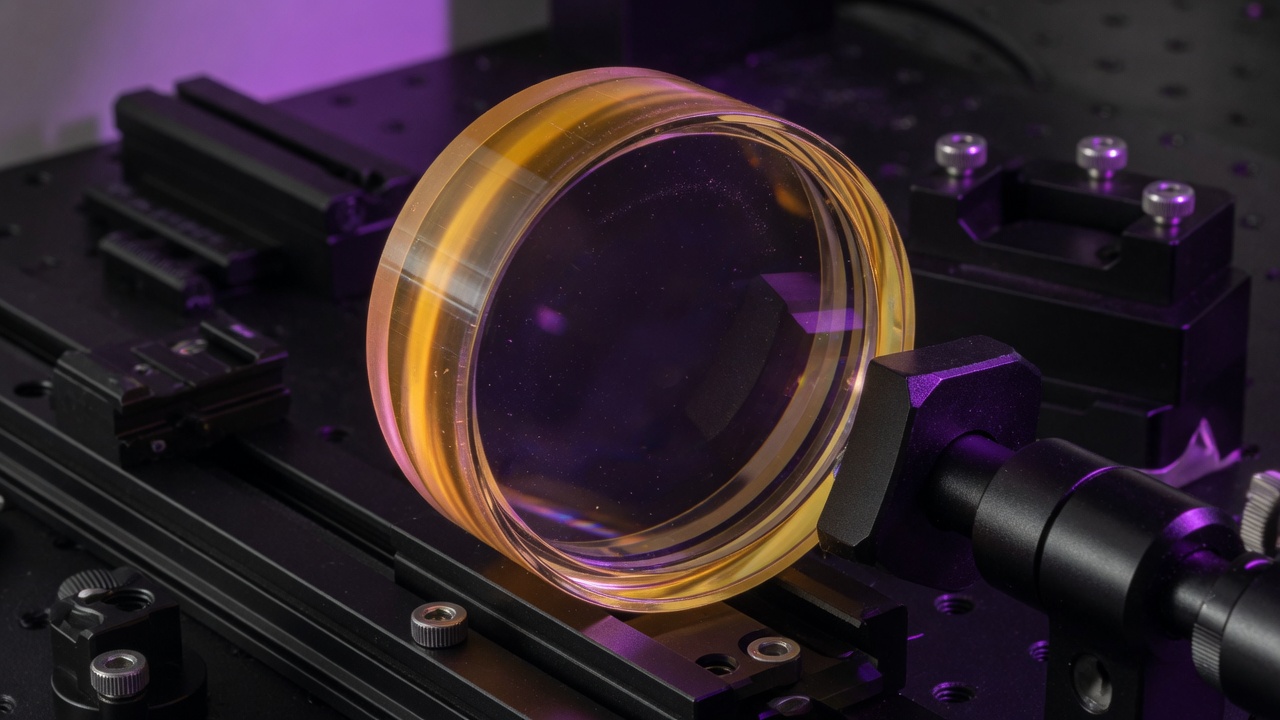
AR Coatings at 10.6 µm: Residual Reflection, Absorption and What Survives
Fresnel 17 %/surface, QWOT stacks, coating absorption and LIDT for CO₂ OEMs.
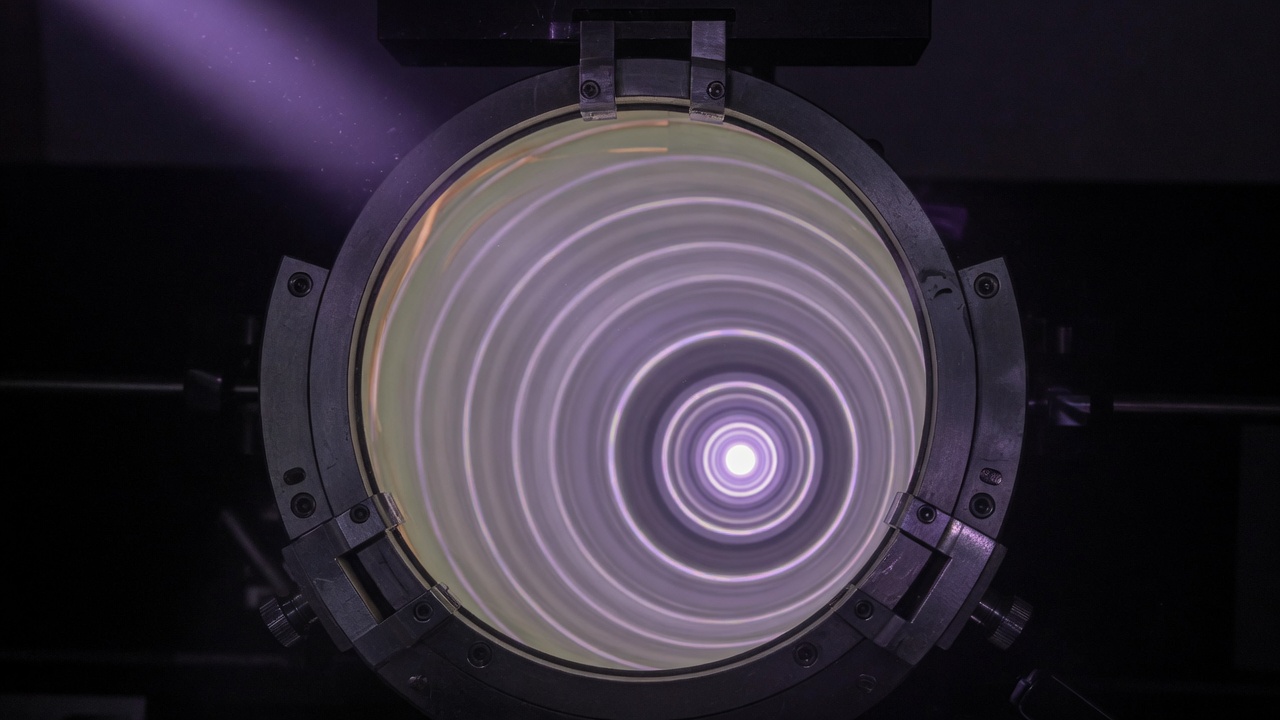
λ/10 Is Meaningless Until You Name the Test Wavelength
63 nm vs 1.06 µm: write figure so a Fizeau can fail the part.
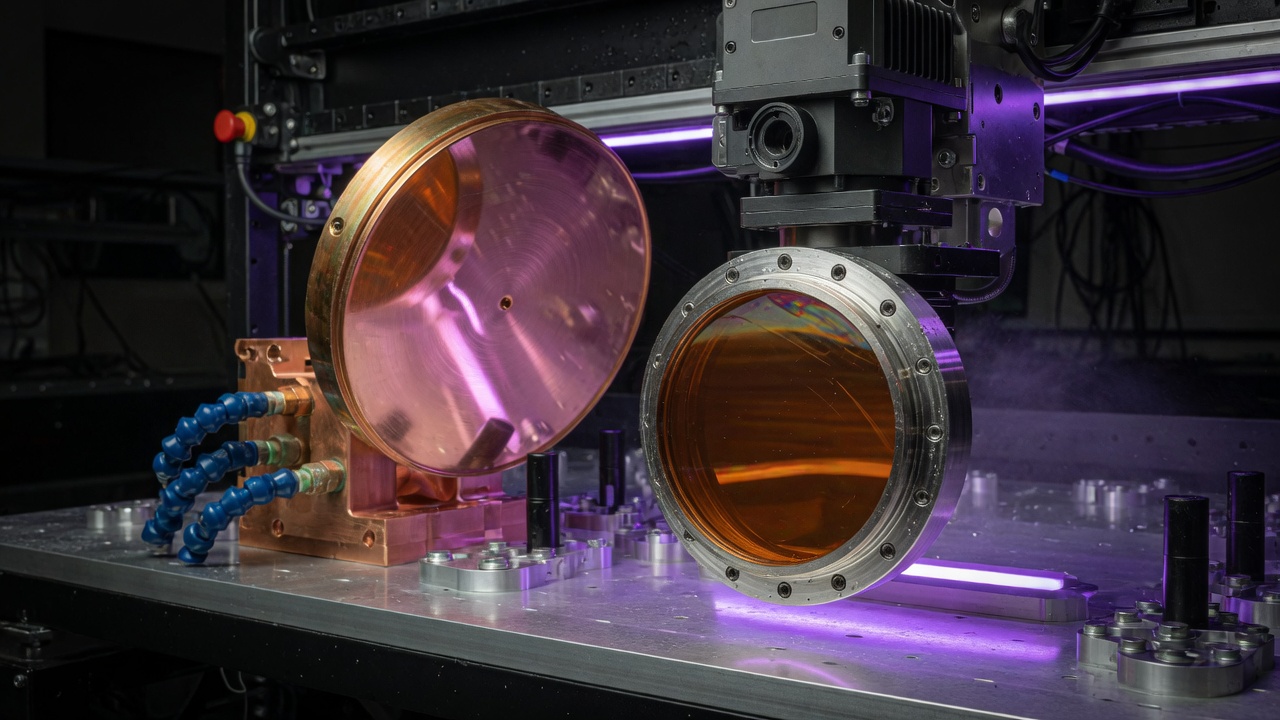
Thermal Lensing in ZnSe under CW CO₂
dn/dT, absorption and beam diameter — when the window becomes a lens.
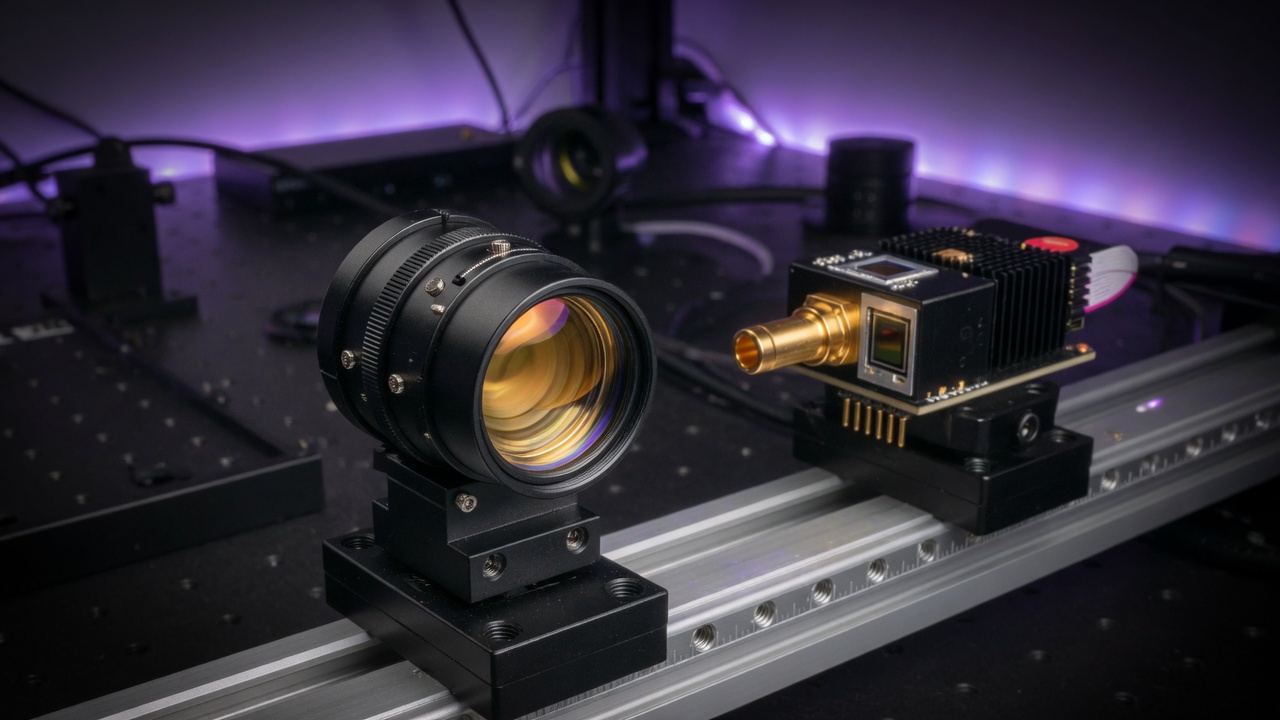
Collimating QCLs at 4.3–4.8 µm
Fast-axis NA, astigmatism, aspheres vs catalogue ZnSe spheres.
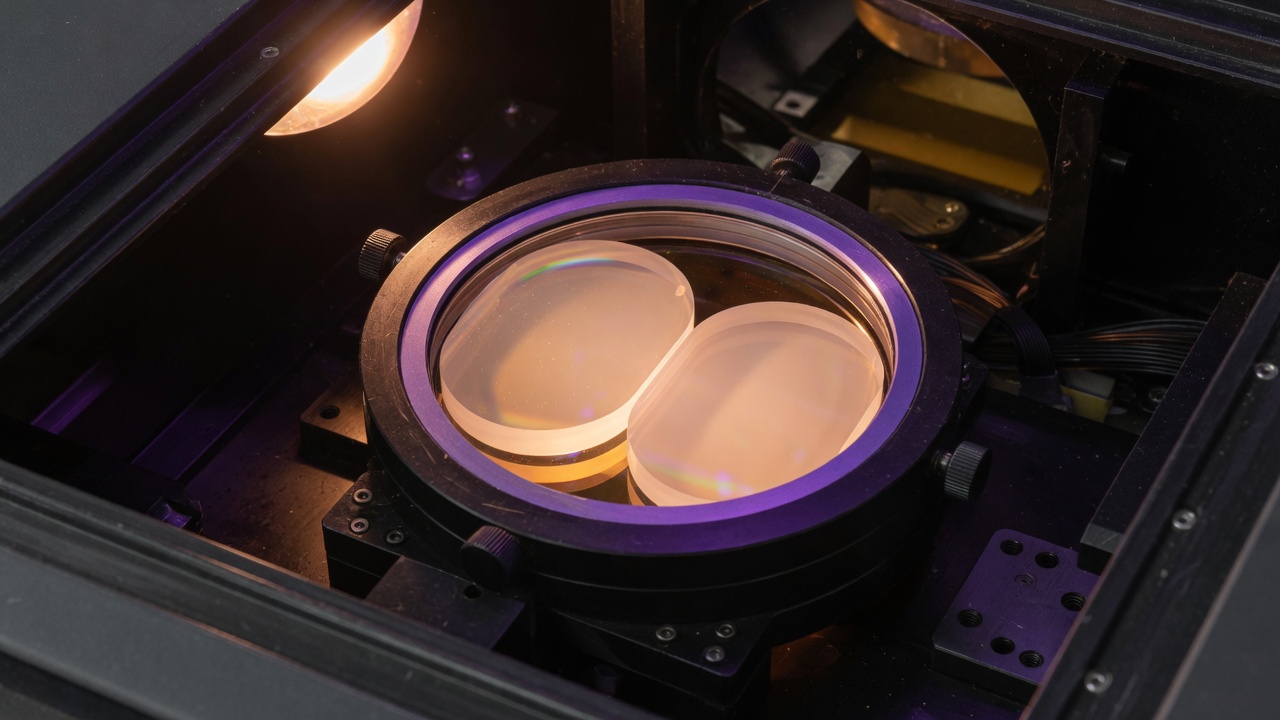
FTIR Windows: Wedge, Etalon Fringes and Material Choice
Why 0.5° exists, and when CaF₂ beats ZnSe on a 4000–400 cm⁻¹ bench.
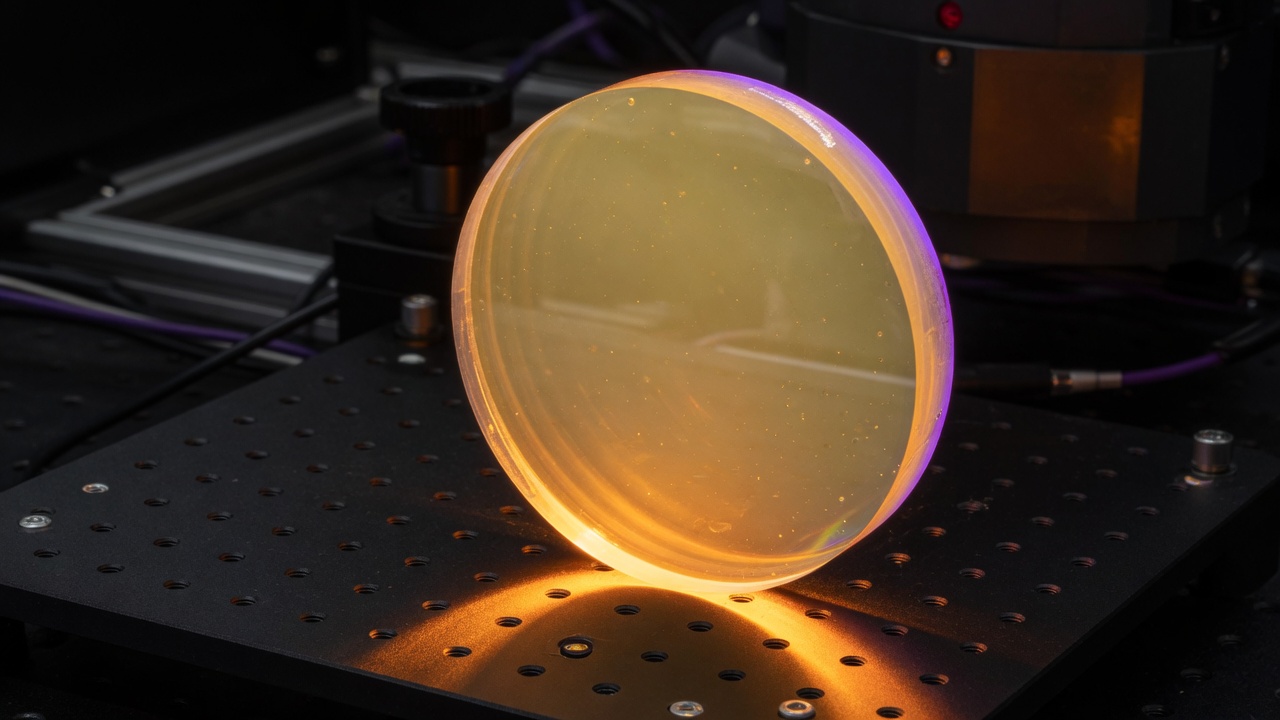
ZnSe Substrates for CO₂ Laser Optics: Absorption, Grade, and Coating Reality
CVD ZnSe at 10.6 µm: grade, AR and thermal lensing.
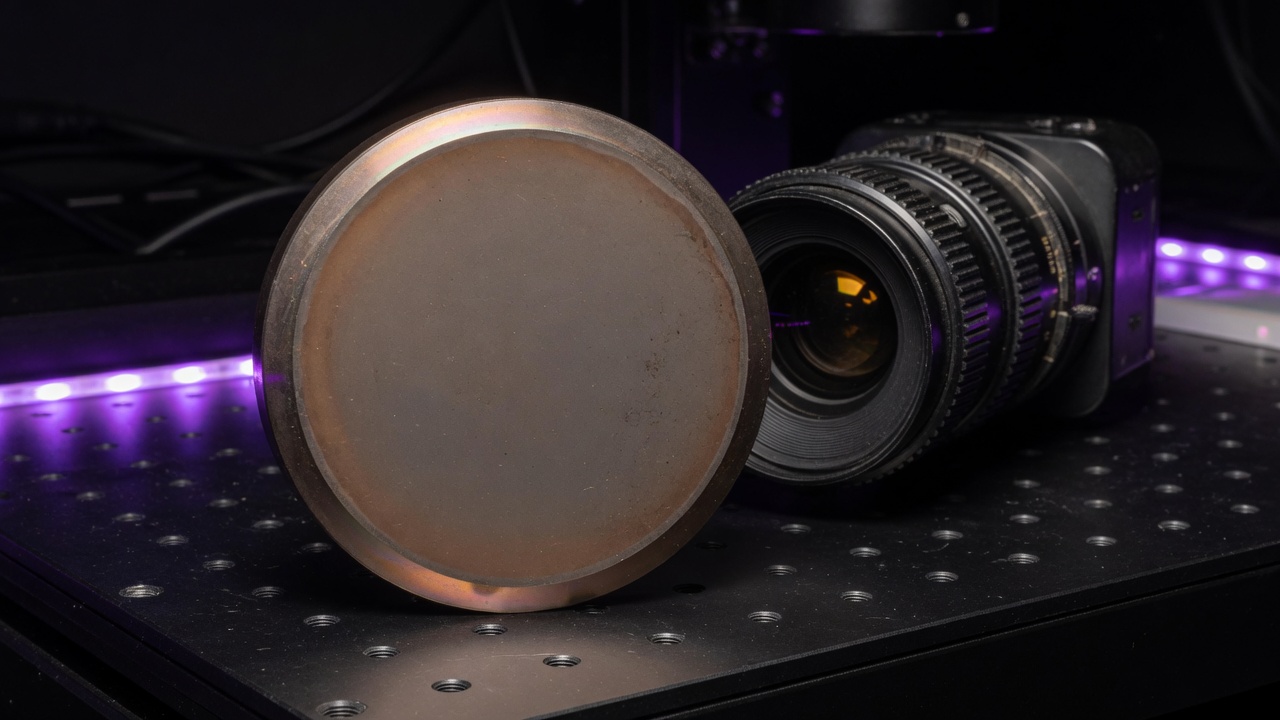
Germanium for LWIR Thermal Imaging: Why Ge Dominates 8–12 µm Lenses
Index, diamond turning and AR for uncooled imagers.
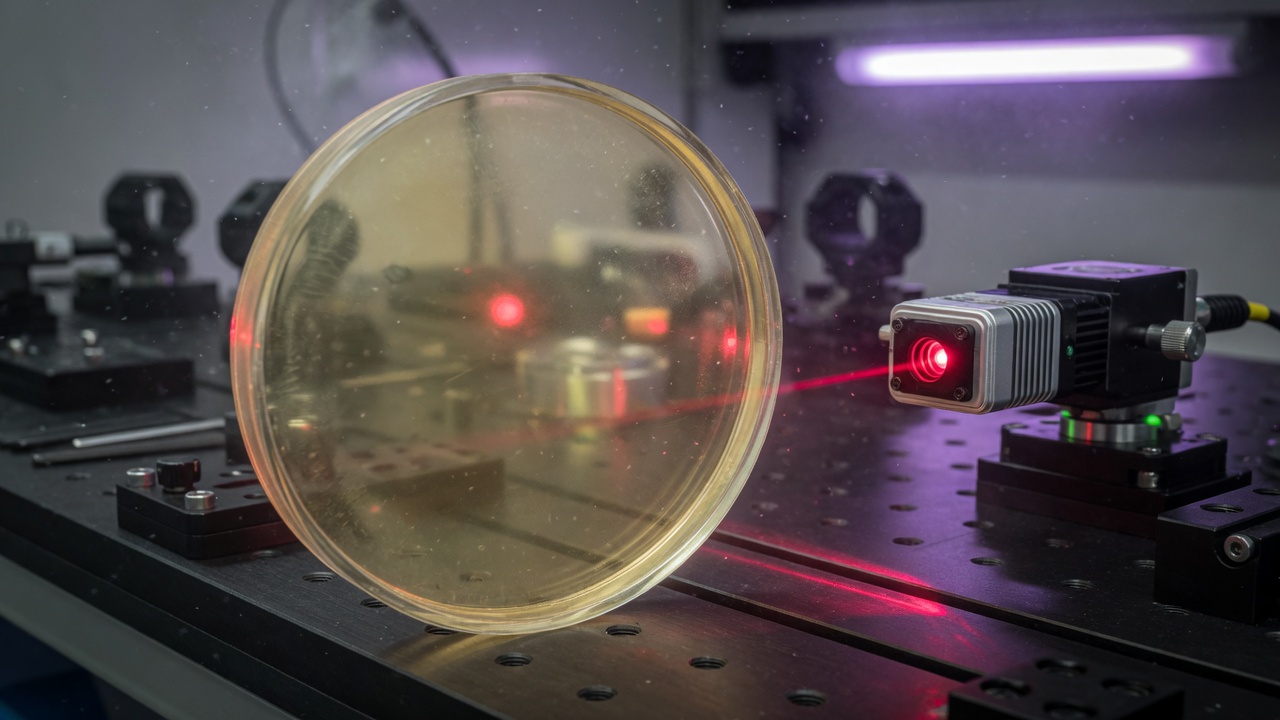
ZnS Multispectral Windows: When You Need VIS Alignment and IR Performance
Clear vs IR grades and dual-band AR tradeoffs.
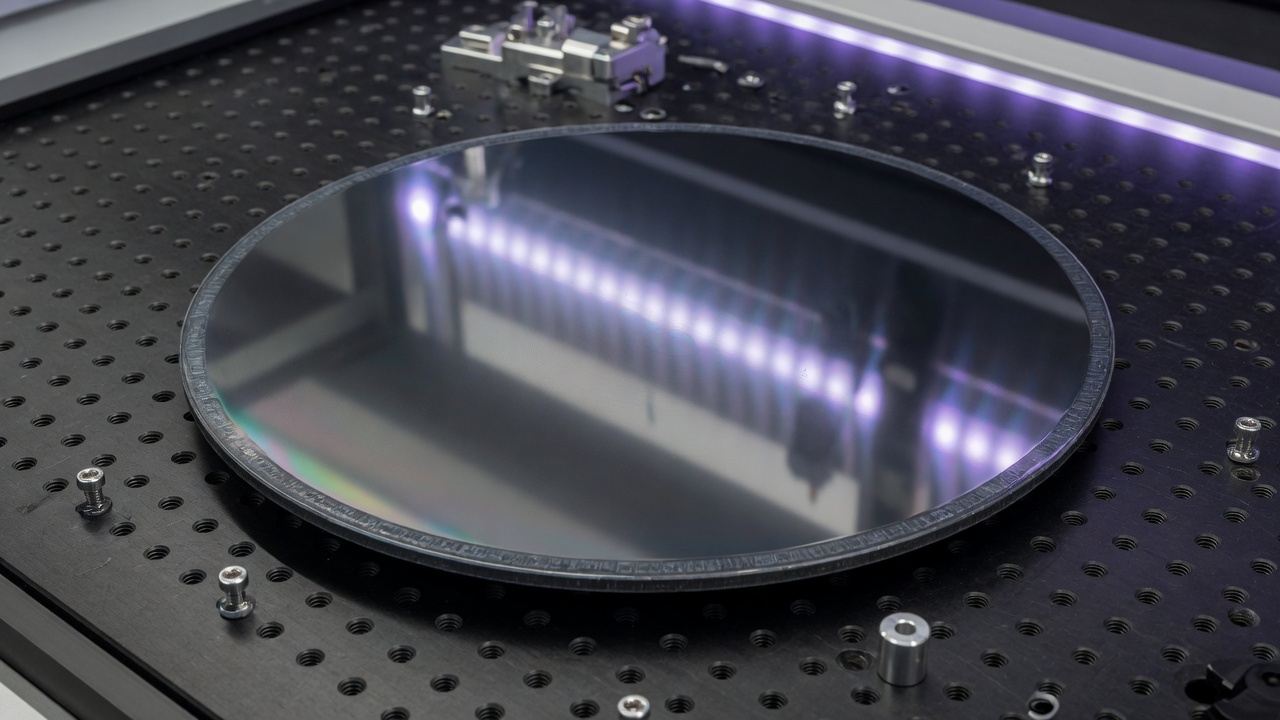
Silicon Optics for NIR–MWIR: Cost, Index, and the 1.2 µm Cut-On
Where Si wins — and where it cuts off before LWIR.
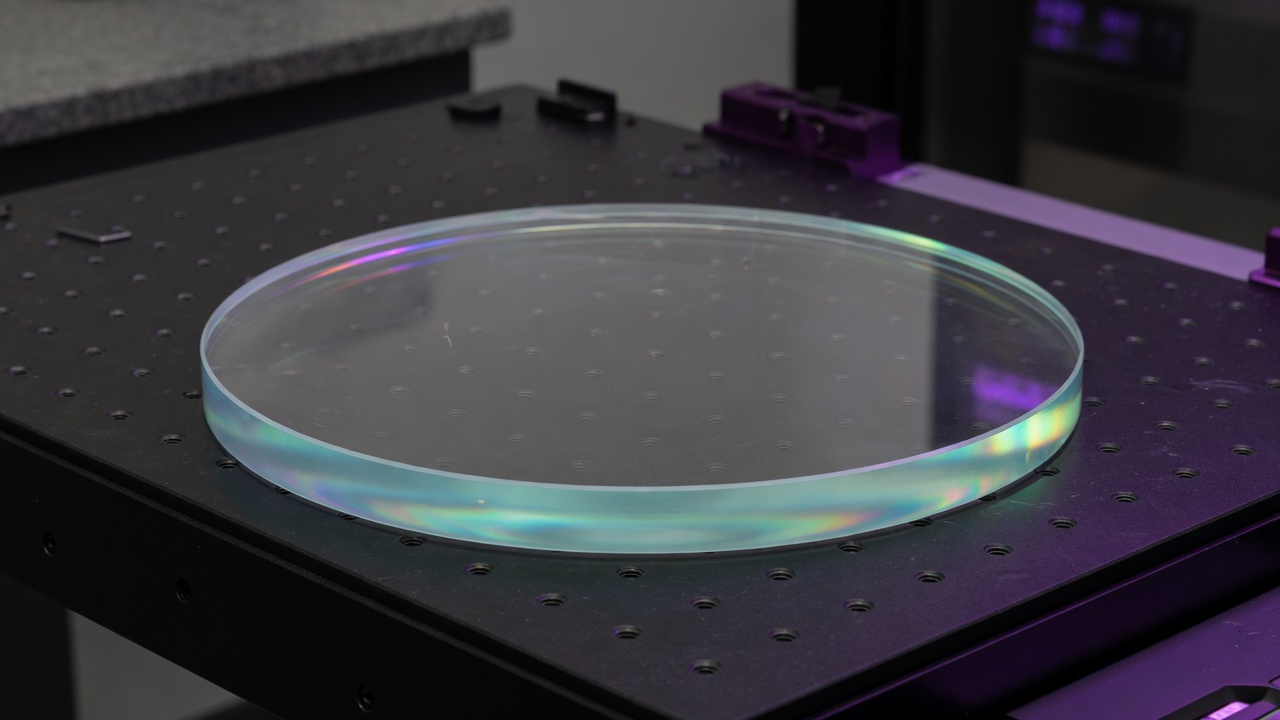
Fused Silica: UV–VIS–NIR Performance Without IR Fantasy
When silica is right, and why polish never creates 10 µm transmission.
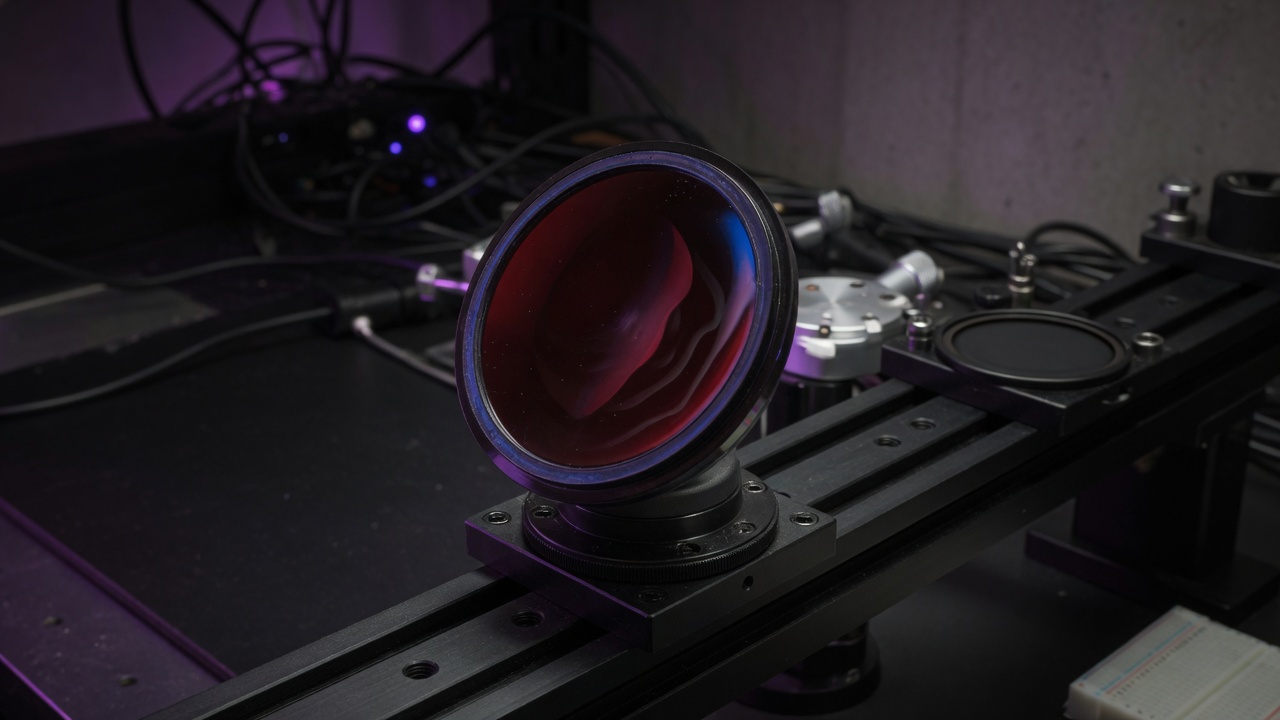
Chalcogenide Glasses for IR Lenses: Moldability Meets MWIR/LWIR
Molded aspheres vs diamond-turned crystals at volume.
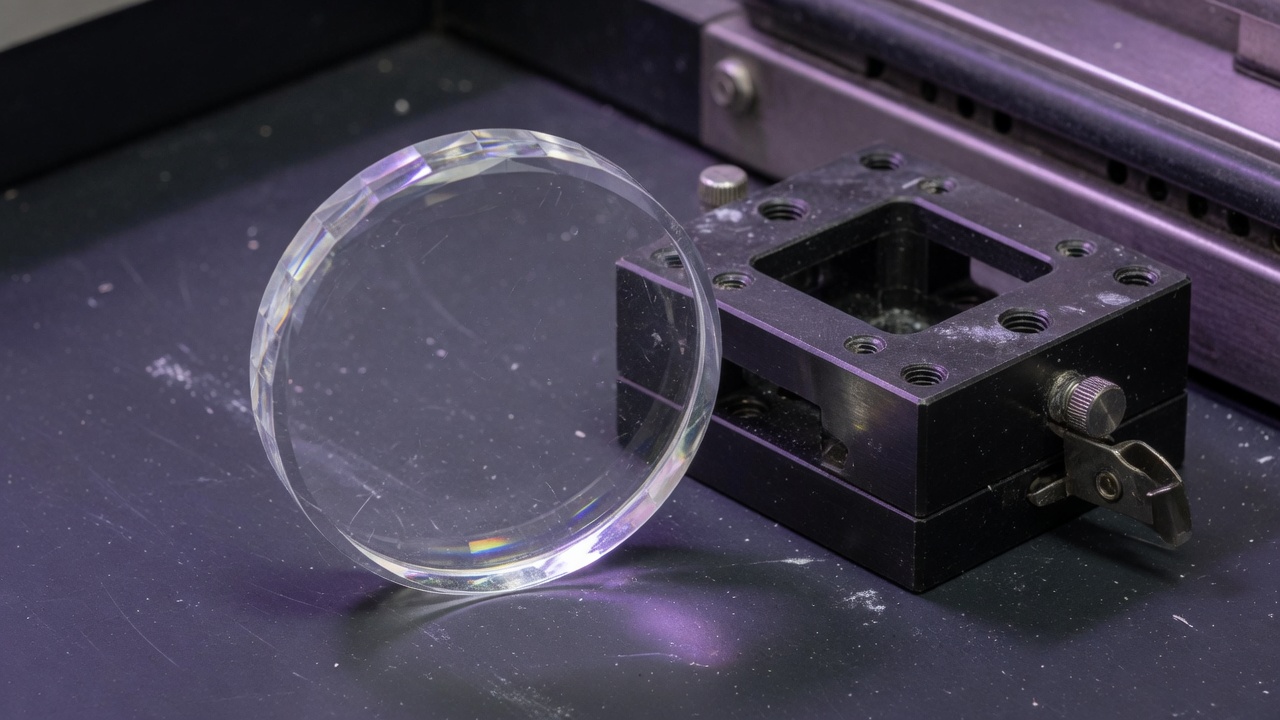
CaF₂ Windows for Broadband Spectroscopy
UV edge to mid-IR without Ge opacity.
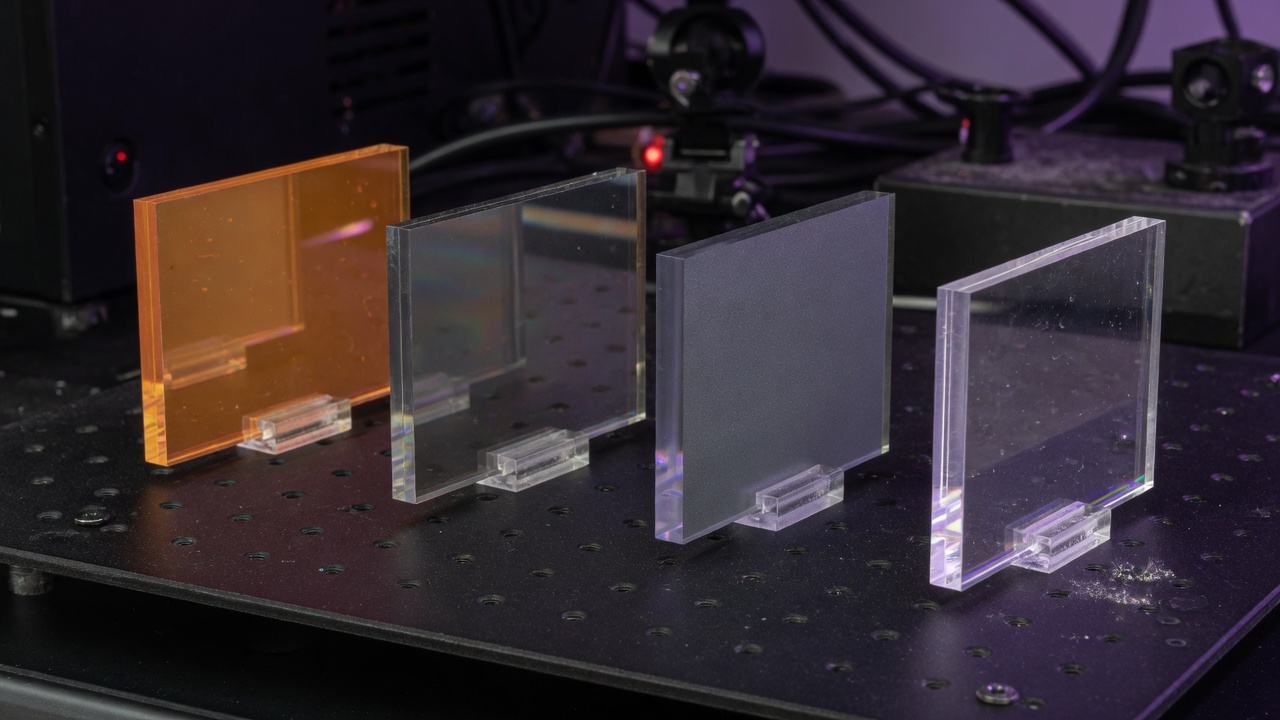
Substrate Selection Matrix: VIS to LWIR — When You Need Two Materials
Decision tree for multi-band OEM BOMs.